
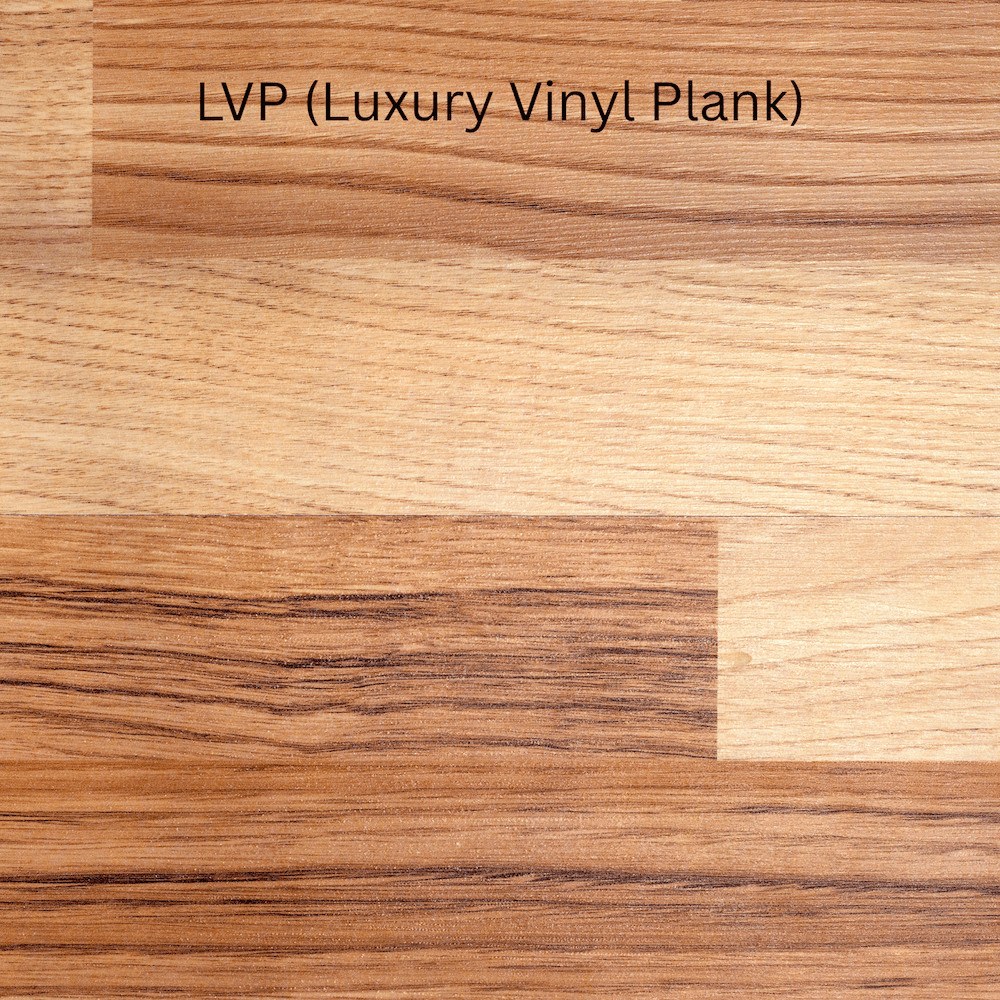
For most Logan and Cache Valley basements, luxury vinyl plank (LVP) is the best floor: it's waterproof, handles a cold concrete slab, and holds up to kids, pets, and renters. Use tile in the basement bathroom (heated, if you can), and save carpet for bedrooms. Whatever you pick, the slab has to be dry and flat first, or the floor won't last.
Flooring is one of the first decisions in a basement finish, and one people overthink. The basement is the one floor in your house that sits right on concrete, below grade, against cold Cache Valley ground. That changes what works. Here's how the common options compare down there, and the prep that matters more than the product.
Basement flooring options compared
| Floor | Water | Warmth | Durability | Cost | Best for |
|---|---|---|---|---|---|
| LVP | ●●● | ●●○ | ●●● | $$ | Family rooms, rentals, most of the basement |
| Tile | ●●● | ●○○ | ●●● | $$$ | Bathrooms, laundry, entries |
| Carpet | ●○○ | ●●● | ●○○ | $ | Bedrooms and media rooms |
| Engineered wood | ●○○ | ●●○ | ●●○ | $$$ | Dry basements only, with care |
Dots are our general comparison for below-grade use, not a product rating. Costs are relative.
Why LVP wins most basements
Luxury vinyl plank is waterproof, so a little moisture coming up through the slab or a leak from the water heater won't ruin it. It doesn't swell or cup like wood, it looks like real wood or stone, and it's tough enough for a playroom or a basement rental near USU. Over the right underlayment, it's also quieter and warmer than people expect.
It's what we put in most of the basements we finish. It's also only as good as the concrete under it, which is where most basement floors go wrong.
The prep that makes or breaks it
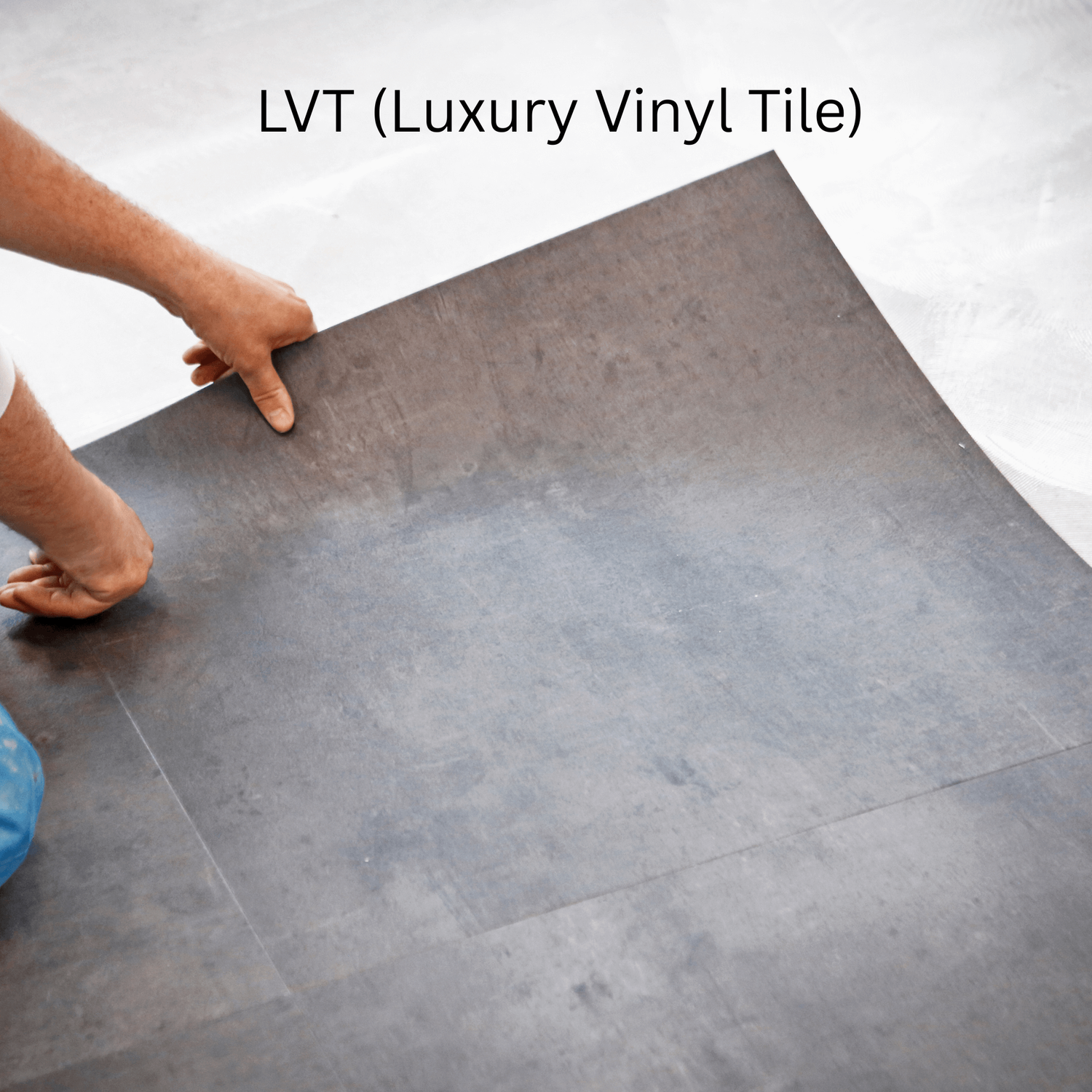
Basement slabs are almost never as flat as they look. Float planks over dips and humps and you get flex, separating joints, and a hollow sound underfoot. The industry flatness standard for these floors is no more than 3/16 inch of variation over 10 feet (Mannington, citing ASTM F710), and most slabs need work to get there. Here's how we prep:
Check for moisture
No floor fixes a water problem; it just hides it for a while. We look for signs of seepage and test before anything goes down.
Grind and fill
We grind high spots and fill low ones with leveling compound until the slab is flat to the floor's spec.
Vapor barrier and underlayment
The right underlayment for concrete blocks moisture from below and adds a little warmth and sound control.
Install and trim
Planks go down with the expansion gap the manufacturer calls for, then new baseboard and trim and transitions finish it clean.
One Logan-specific note: if a project uses wood sleepers or framing directly on the slab, Logan's building rules require pressure-treated or decay-resistant lumber anywhere wood touches concrete (Logan basement finish guide).
Tile and heated floors for the basement bath
Tile is the right call in a basement bathroom or laundry, anywhere water is a daily thing. The downside on a slab is that it's cold. That's where an electric heated floor earns its keep: a thin heating mat goes under the tile, runs on a thermostat, and turns the coldest room in the house into the nicest one on a January morning. It's far easier to add during a remodel than after.
We set tile over a properly prepped, waterproofed base. See how we handle it on our tile installation page.
Where carpet still makes sense
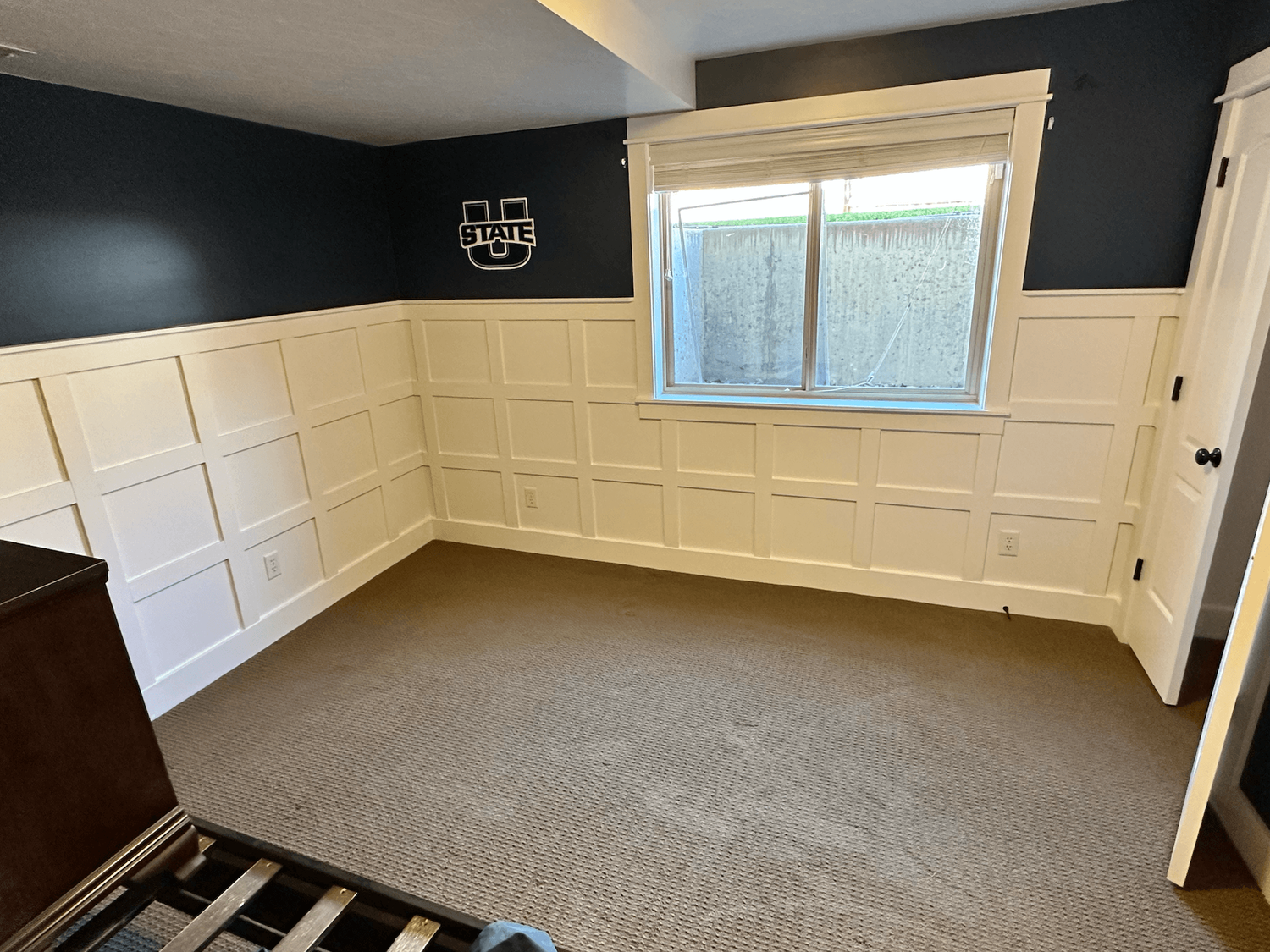
Carpet is the warmest, softest option, and in a basement bedroom or theater room that's hard to beat. It's the weak spot if water ever shows up, though: it holds moisture and can turn a small leak into a mildew problem. If you want carpet, keep it to the bedrooms, use a moisture-resistant pad, and put LVP in the main living space.
Our basement recipe
Waterproof, durable, warm enough over the right underlayment.
Add an electric heated floor if the budget allows.
Carpet if comfort comes first, with a moisture-resistant pad.
Moisture checked and leveled before anything goes down.
Flooring is usually one of the last steps in a Logan basement finish, and it's worth planning early. If you're adding bedrooms down there, read our guide to basement bedroom requirements in Logan before you lay anything out. When you're ready, our own crew handles the slab prep and the flooring installation, and you work directly with owners Ryan and Tyler Wakley.
Finishing a basement?
We'll check your slab, talk through floor options room by room, and give you a clear, itemized estimate.
ONYX Bros is a Logan remodeling and general contracting company owned by Ryan and Tyler Wakley, licensed and insured, rated 5.0 on Google, and featured on HouzzTV. More about us.
FAQ
What is the best flooring for a basement in Cache Valley?
For most basements, luxury vinyl plank. It's waterproof, handles a cold concrete slab, and stands up to heavy use. Tile is best for basement bathrooms and laundry rooms, and carpet works in bedrooms.
Can you put LVP directly on a concrete basement floor?
Yes, once the slab is dry and flat. Most LVP needs the concrete flat to within about 3/16 inch over 10 feet, plus an underlayment with a vapor barrier. High spots get ground down and low spots filled first.
Is carpet a bad idea in a basement?
Not in bedrooms or media rooms, where warmth matters most. It's a risk anywhere water could show up, because it holds moisture. Use a moisture-resistant pad and keep the main living area hard-surface.
Are heated floors worth it in a basement?
In a basement bathroom, usually yes. An electric heating mat under the tile takes the chill off a cold slab and is much easier to add during a remodel than afterward.
