
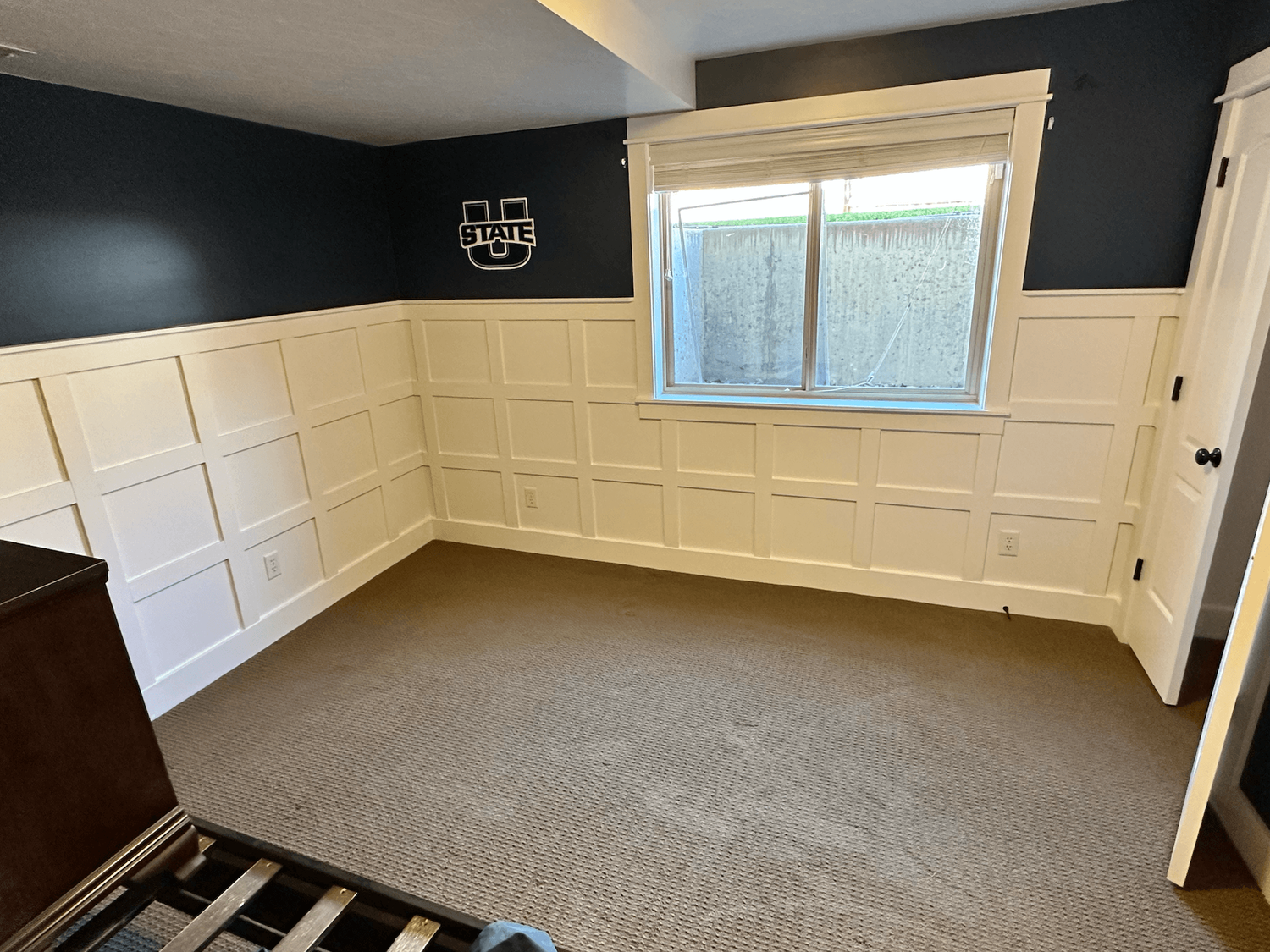
In Logan you need a building permit to finish a basement. Every basement bedroom needs an egress window with at least 5.7 sq ft of clear opening and a sill no higher than 44 inches. To rent the space as a separate apartment, Logan requires that you live in the house (or the apartment), add one off-street parking stall, and get a landlord license before anyone moves in.
If you own a home in Logan, your basement is probably the cheapest square footage you'll ever add. Plenty of homeowners here want the same two things out of it: an extra bedroom or two for a growing family, or a basement apartment that helps cover the mortgage. With Utah State a few minutes away, rental demand isn't the hard part.
The hard part is doing it legally. A bedroom that isn't really a bedroom, or an apartment the city doesn't know about, tends to come back up at the worst time: an insurance claim, an appraisal, or a sale. Here's what actually applies in Logan, in plain English, with links to the sources so you can check us.
Do you need a permit to finish a basement in Logan?
Yes. Logan's building division requires a building permit to finish any single-family basement, and that permit can also cover the electrical, plumbing, and heating work tied into it (Logan City basement finish guide).
To apply, the city asks for a scaled floor plan showing each room's use, where outlets, lights, smoke alarms, fans, and plumbing go, the furnace and water heater locations, and every window, with the egress windows and window wells marked. Any structural changes (beams, posts, joists) go on the plan too. Then the inspections happen in a set order:
Rough inspection
Framing, wiring, plumbing, and ductwork are in, and nothing is covered yet.
Insulation and vapor barrier
Where required, before drywall goes up.
Final
Everything installed and finished, before anyone uses the space.
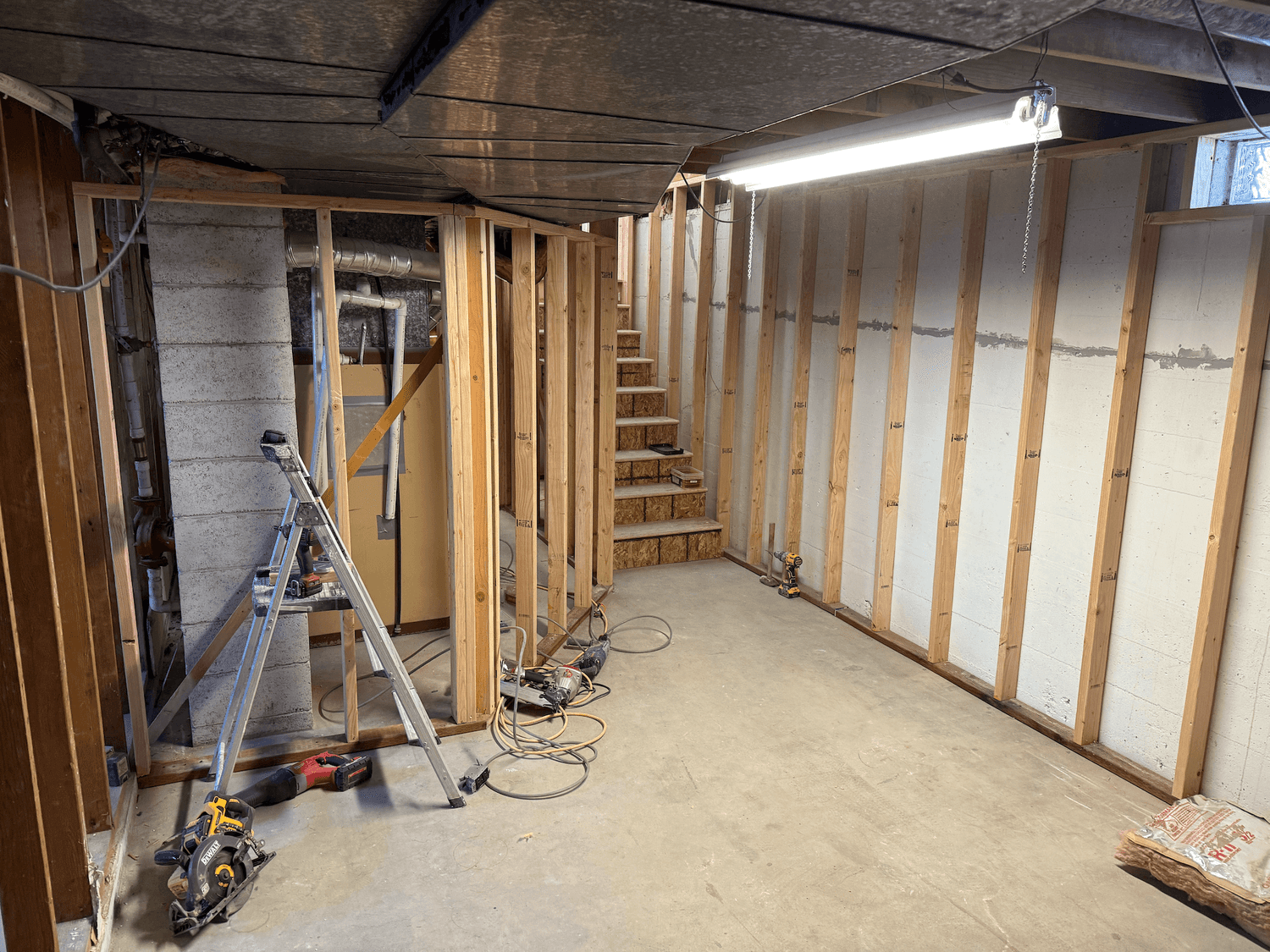
That first one is the reason a permit matters. Once drywall goes up, nobody can see what's behind it. When we frame a basement, we schedule around these inspections so the job keeps moving.
What makes a basement bedroom legal?
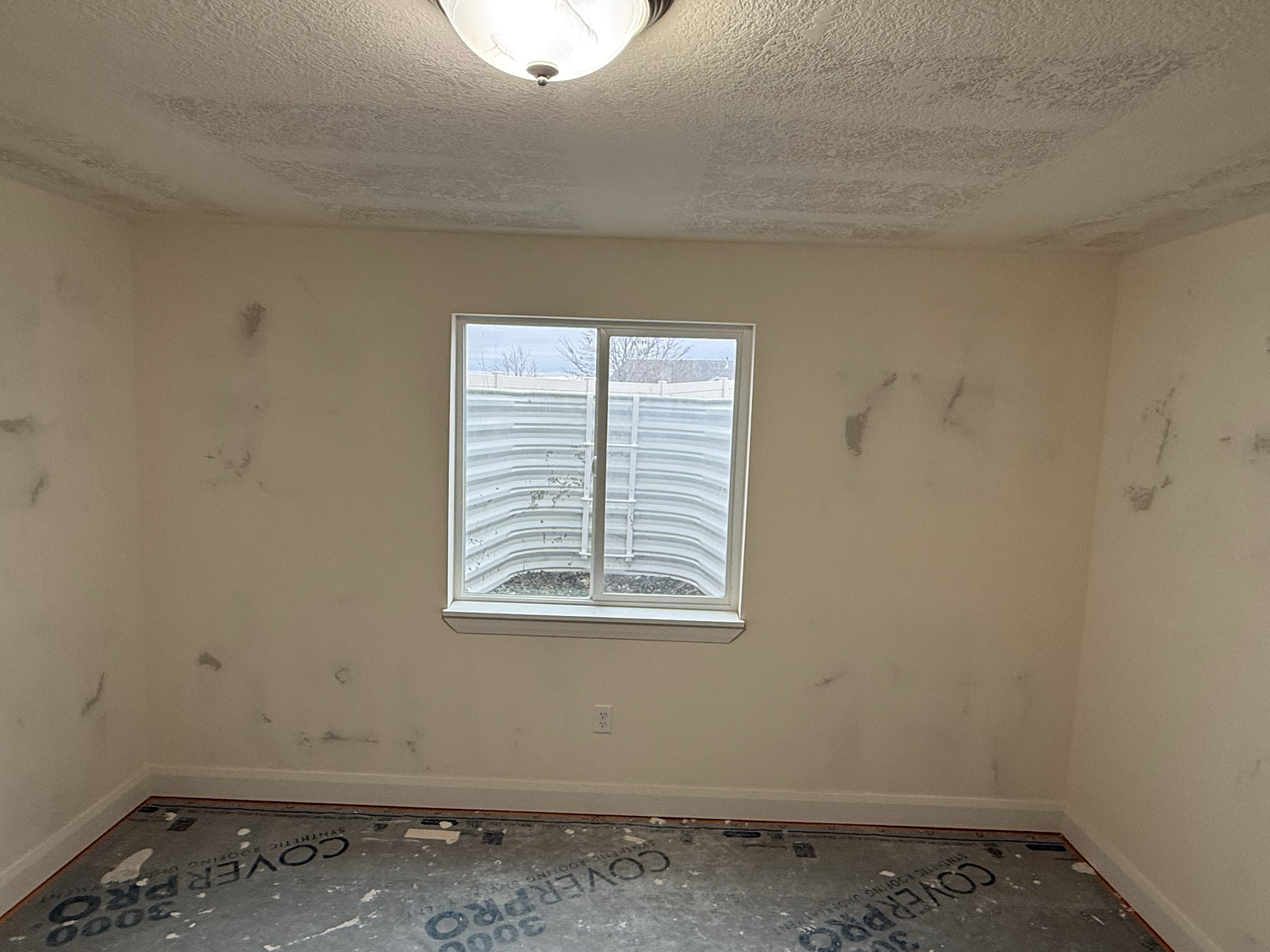
A room with a bed in it isn't a bedroom. Under the building code Utah uses, every basement sleeping room needs an egress window (or door) to the outside, sized so someone can climb out and a firefighter can climb in:
Below grade, the window also needs a well with at least 9 sq ft of floor area that sticks out at least 36 inches from the wall. Deeper than 44 inches, it needs a permanent ladder or steps (IRC R310 egress summary).
The bedroom also needs:
- Ceiling height of at least 7 feet in habitable space.
- Room size of at least 70 sq ft, with no wall shorter than 7 feet.
- Smoke alarms hard-wired with battery backup in each bedroom and the hallway outside, interconnected with the rest of the house, plus CO alarms if the home has gas appliances or an attached garage.
The egress window is the big one. Most original basement windows don't come close, so it usually means cutting the foundation, setting a new window, and digging and installing a well. Plan it first, because it decides where the bedrooms can go.
Can you rent out a basement apartment in Logan?
Usually, yes. Since 2021, Utah law has required cities to allow an internal accessory dwelling unit (a basement or attached apartment inside a single-family home) for long-term rentals of 30 days or more. Cities can still set some limits, and college towns like Logan were given more room to restrict where they're allowed (Utah Land Use Institute ADU explainer).
Logan updated its own rules in 2024 to make ADUs easier to build (Utah Public Radio). Under Logan's Land Development Code (section 17.37.070), a basement apartment needs:
An owner on site
It has to go with a detached, owner-occupied single-family home. You can live upstairs or in the apartment.
One per property
One ADU per lot, and it can't be sold separately from the house.
One more parking stall
One extra off-street stall on top of the two the house already needs.
A complete dwelling
Its own kitchen, bathroom, living area, and sleeping area.
One utility meter
A separate meter for the apartment isn't allowed.
A landlord license
Logan requires one before the unit is established.
There's no size cap on an internal ADU, so a basement apartment can use the whole basement. Logan's code does exclude some areas and housing types (townhomes, duplexes, and apartments can't add one), so check your address with Logan Community Development before you design anything (Logan Land Development Code).
One more rule worth knowing if you're renting near campus: occupancy is generally limited to a family or three unrelated people per legal unit (Logan landlord licensing).
Test for radon before you finish
This one gets skipped constantly, and it shouldn't in Cache Valley.
of tested homes in Cache County came in at or above the World Health Organization's radon mitigation level.Source: KSL
A test kit from the Utah Radon Program costs about $11 and takes a few days. Test before you build. If the number comes back high, running a mitigation pipe through open framing is far easier than cutting into new drywall later. And if you're planning a bedroom or a rental down there, it's the people sleeping in it who benefit most.
Bedroom or apartment: plan for it from day one
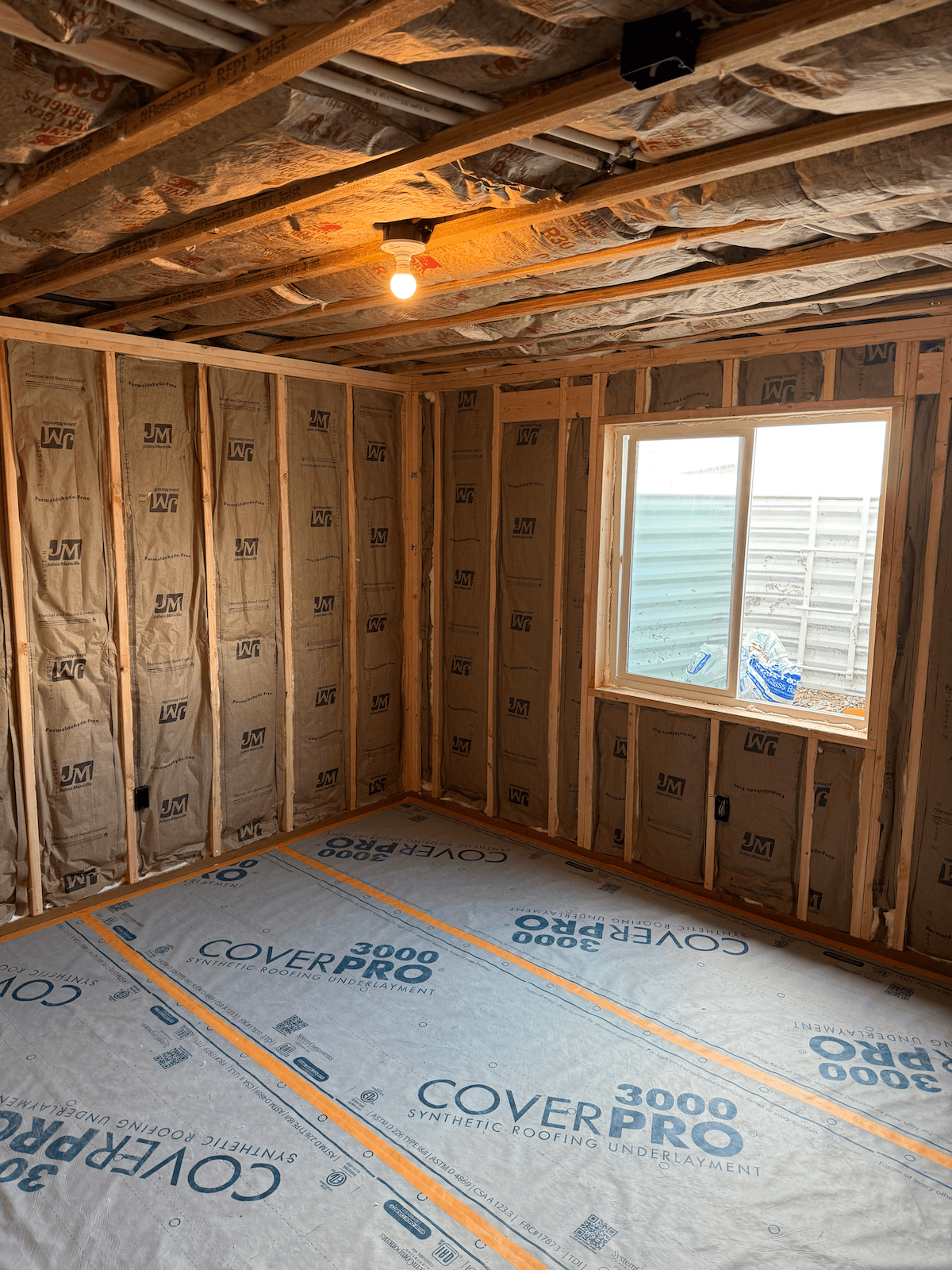
The difference between a finished basement and a legal apartment comes down to decisions made before the first wall goes up: where the egress windows go, whether there's room for a kitchen and a second laundry, how the entrance works, where that extra parking stall lands. Retrofitting any of it later costs more than planning it now.
That's how we approach a Logan basement finish. We walk the space, map egress and plumbing first, and build to pass inspection the first time. Our own crew handles the framing, drywall, and finish work, and you work directly with owners Ryan and Tyler Wakley the whole way through.
Thinking about a basement bedroom or apartment?
We'll walk your basement, tell you where egress can go, and give you a clear, itemized estimate.

ONYX Bros is a Logan remodeling and general contracting company owned by Ryan and Tyler Wakley, licensed and insured, rated 5.0 on Google, and featured on HouzzTV. More about us.
FAQ
Do I need a permit to finish my basement in Logan?
Yes. Logan requires a building permit to finish any single-family basement, with inspections at rough-in, insulation, and final.
How big does a basement egress window need to be?
At least 5.7 sq ft of clear opening, 24 inches tall and 20 inches wide, with the sill no more than 44 inches above the floor. Below-grade windows need a well of at least 9 sq ft, plus a ladder if it's deeper than 44 inches.
Can I rent my basement as an apartment in Logan?
Generally yes, as a long-term rental (30+ days), if the home is owner-occupied, you add one off-street parking stall, the unit is a complete dwelling, and you get a Logan landlord license. Some areas are excluded, so confirm your address with the city first.
Should I test for radon before finishing a basement?
Yes. Radon is common in Cache County, and a mitigation system is much easier to install before the walls are closed up.
Codes and city rules change. This guide reflects Logan's published rules as of November 2026; confirm current requirements with Logan City's building division before you start.
