
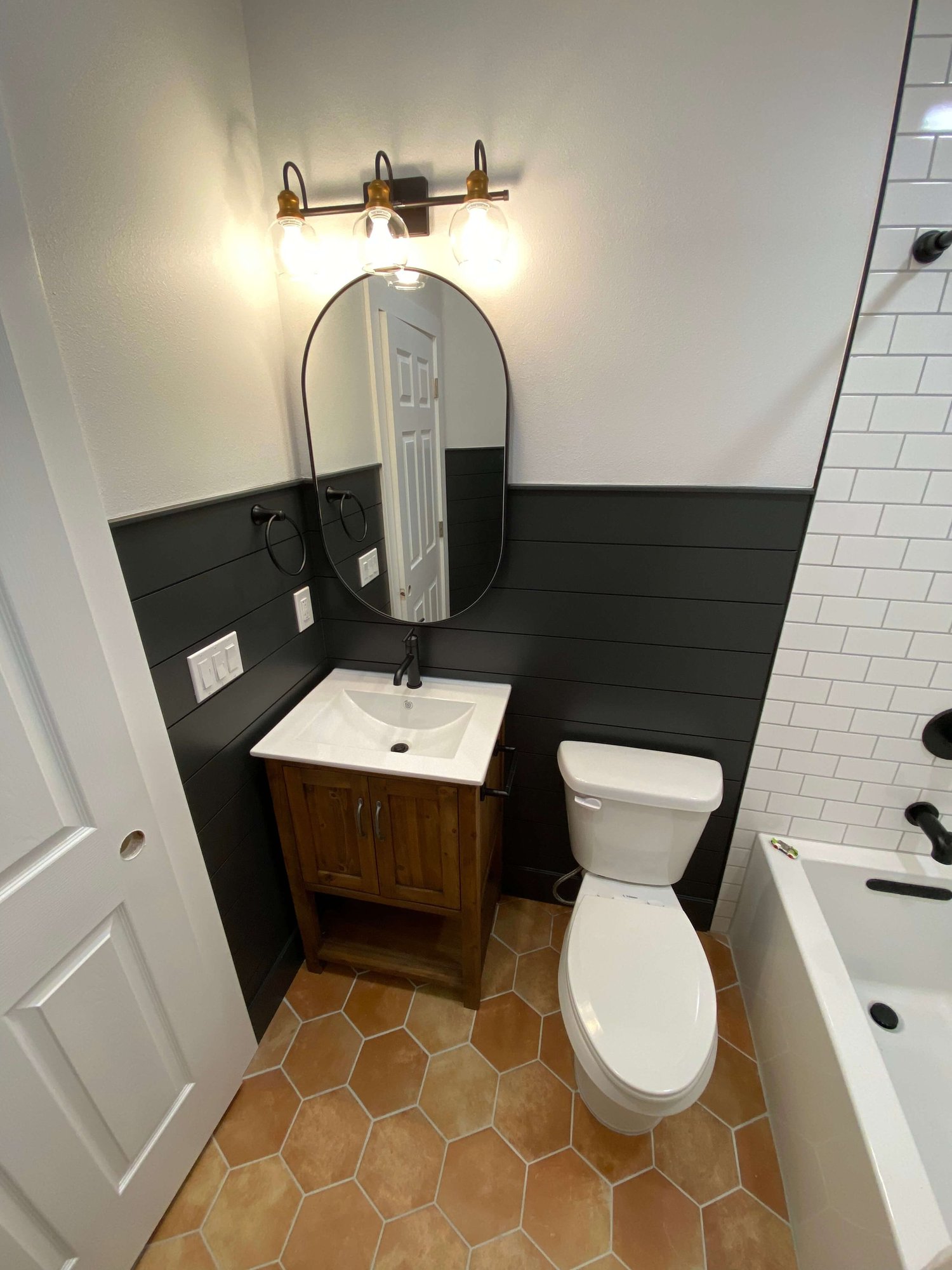
Remodeling an older Logan home means planning for what's behind the walls: plaster and lath, decades of add-on wiring and plumbing, and framing that's rarely square. Homes built before 1978 bring federal lead-paint rules, Utah requires an asbestos inspection before a contractor renovates, and exterior changes in the Center Street Historic District go through the city's Historic Preservation Committee. Keep the character (trim, doors, floors), update the systems.
Some of the best houses in Logan are the old ones: the brick homes along Center Street, the bungalows near Utah State, the cottages in the Island. You can't buy that kind of character in a new subdivision. You also can't remodel it the same way.
We spend a lot of our time in these houses. Here's what to expect when you remodel one, what's worth saving, and the rules that apply to older homes that most people don't hear about until a project is already underway.
Inside a 97-year-old bathroom
Ryan and Tyler take a bathroom in a nearly century-old home down to the studs and bring it back. This is what "older home" really means once the walls are open.
What we usually find behind the walls
Every old house is different, but after enough of them, the list gets familiar:
Plaster and lath
Instead of drywall, most older Logan homes have plaster over wood lath. It's solid and quiet, but it cracks as a house settles, and Cache Valley's freeze-thaw winters don't help. Patching it right (or blending new drywall into it) takes a different approach than a modern wall.
Layers of wiring
A 90-year-old house has been rewired in pieces by whoever owned it each decade. Old circuits, ungrounded outlets, and creative splices show up once walls open, and a remodel is the right time to fix them.
Tired plumbing
Older supply and drain lines were never meant for a modern bathroom layout or today's water use. Kitchens and baths in these homes almost always need new lines run, not just new fixtures.
Framing that isn't square
Rough-sawn lumber, walls that lean, floors with a crown. New cabinets, tile, and trim have to be fitted to the house as it is, which is where experienced carpentry matters.
Hidden water damage
Decades of small leaks and poor bathroom ventilation can rot subfloors and ceilings out of sight. Better to find it during demo than after new tile goes down.
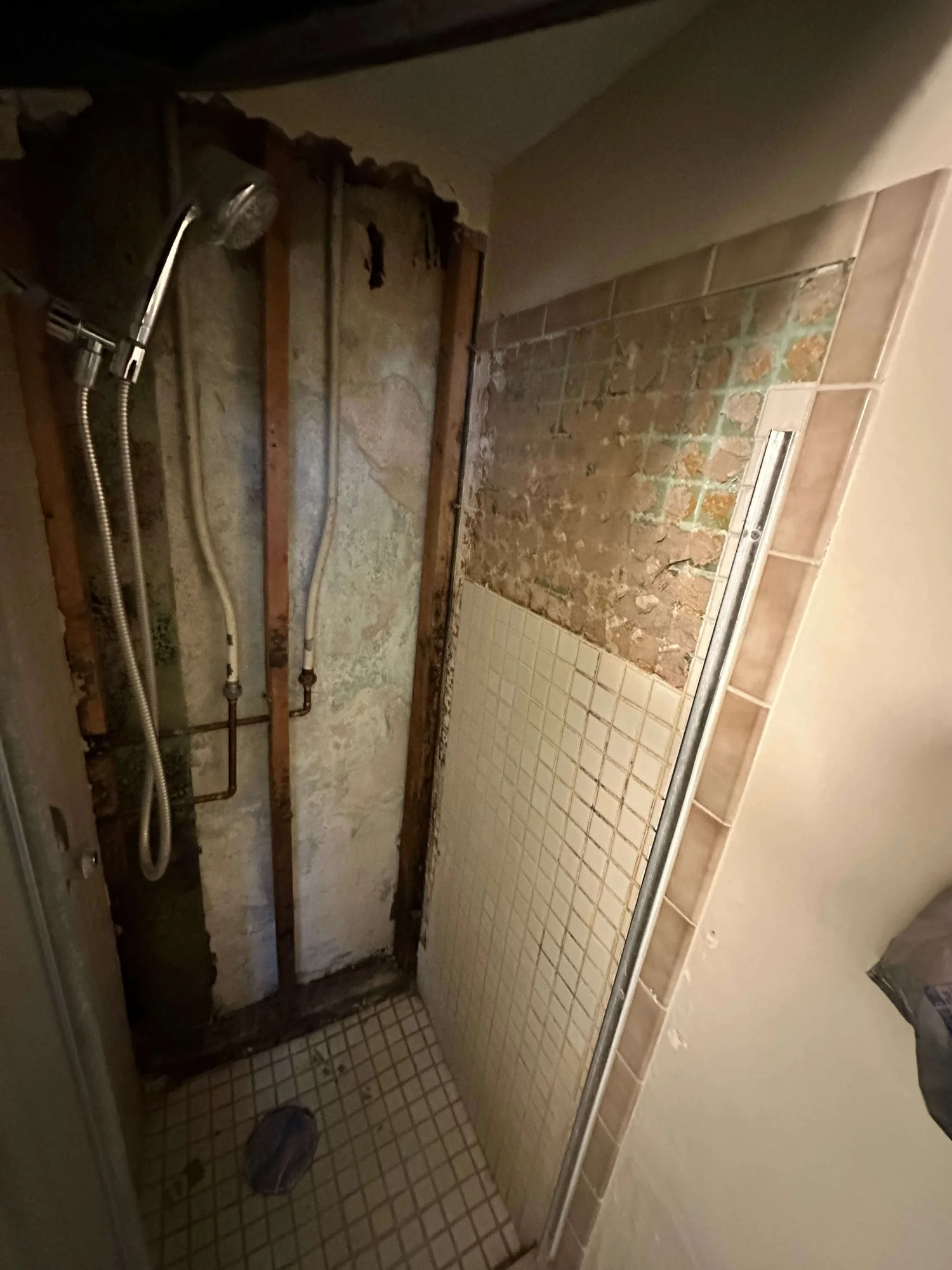
None of this is a reason to avoid an older home. It's a reason to budget for it. We price what we can see, tell you up front what we expect to find once walls open, and talk with you as soon as we find something, before we keep going.
Two rules every older-home remodel has to follow
Lead paint
If your home was built before 1978, the EPA requires anyone paid to disturb painted surfaces (remodeling, carpentry, plumbing, electrical, window work) to be certified and to use lead-safe work practices (EPA RRP program).
Inspect first
In Utah, when a contractor is hired to renovate a single-family home, an asbestos inspection is required before the work starts. Old flooring, plaster, and pipe wrap are common suspects (Utah Division of Air Quality).
Both rules exist to protect the people living in the house while it's being worked on. Ask any contractor you're considering how they handle each one, and expect a clear answer.
Living in Logan's historic district
Logan's Center Street Historic District was established by the city in 1978 and is listed on the National Register of Historic Places (Logan Historic Preservation Committee). If your project changes the outside of a home in the district (an addition, new windows, a porch), it goes to the city's Historic Preservation Committee for a Certificate of Appropriateness, which checks it against the district's design standards (Logan planning applications).
The city has also been reviewing an expansion of the district's boundaries (2025 staff report), so even if you weren't in it when you bought, check your address with Logan Community Development before you plan exterior work.
What to keep, what to update
The goal with an older home is a house that lives like a new one and still feels like itself. That usually splits cleanly:
Worth keeping
- Original trim, casing, and baseboard
- Solid wood doors and hardware
- Hardwood floors under the carpet
- Built-ins, stair rails, and window stools
- Plaster walls that are sound
Worth updating
- Wiring, panels, and grounded outlets
- Supply and drain lines
- Insulation and air sealing
- Bathroom ventilation and shower waterproofing
- Kitchen layout and storage
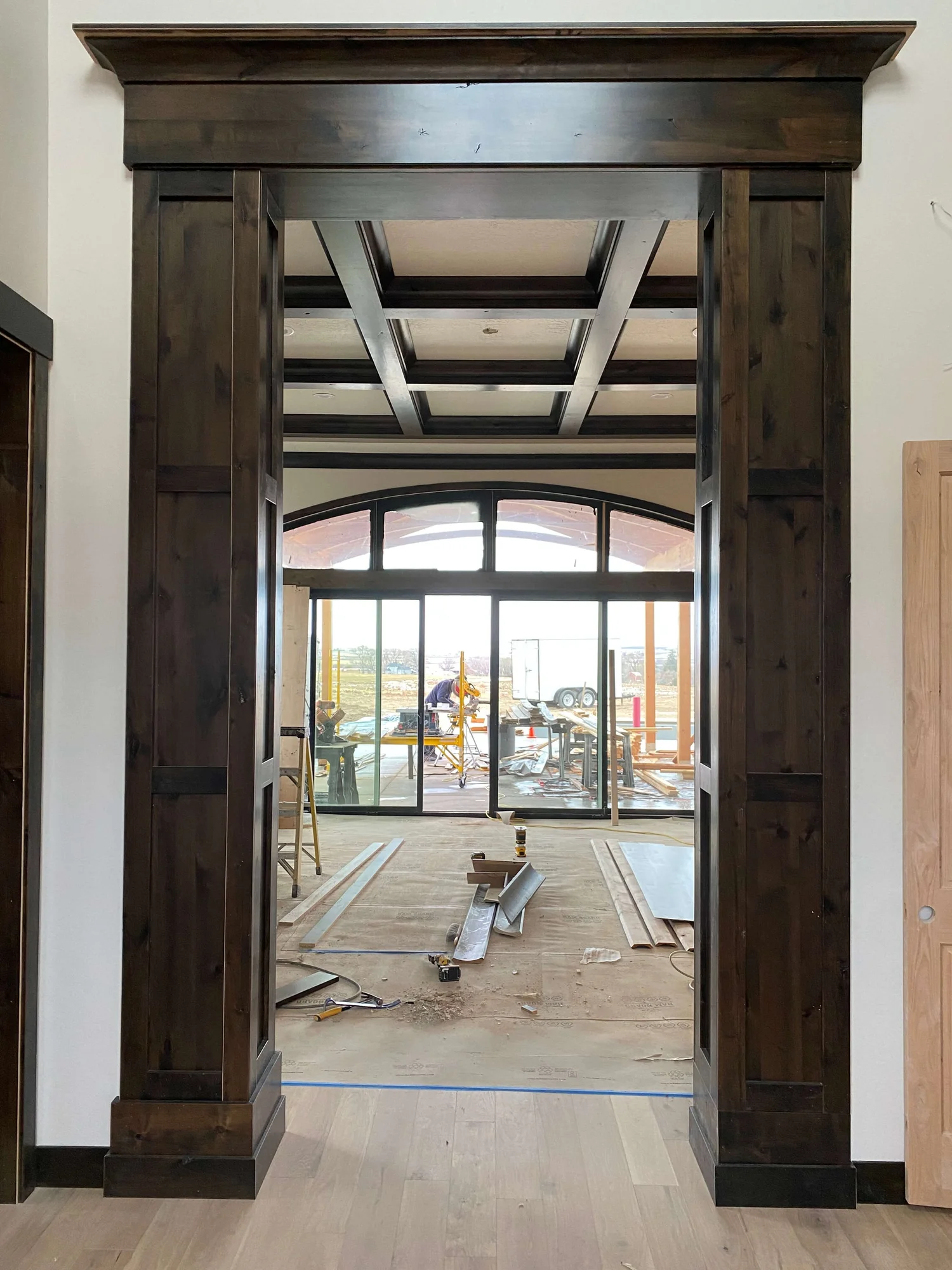
Where original trim is damaged or missing, we match the existing profiles so a repair or new wall disappears into the old woodwork. That's what good finish carpentry looks like in an older home: you shouldn't be able to tell where the old work stops. The same idea applies to a bathroom remodel in an older Logan home: modern waterproofing and ventilation underneath, finishes that suit the era on top.
Ryan on HouzzTV: older homes, done right
Ryan sat down with HouzzTV to talk through exactly this: modernizing an older home without stripping its character, which hidden plumbing and wiring issues matter most, and why spending more doesn't always add resale value.
Planning a remodel in an older Logan home
Walk it before you design it
We look at the electrical panel, plumbing, attic, and basement first, so the plan accounts for the house you actually have.
Test and check
Lead and asbestos testing where required, and a call to the city if you're in or near the historic district.
Budget for the unknowns
Set aside a contingency for what opens up during demo. We'll tell you what we'd hold back for your house and why.
Fix the systems while walls are open
It's the cheapest time it will ever be to update wiring, plumbing, and insulation.
From a single kitchen remodel to a whole-house update, you work directly with owners Ryan and Tyler Wakley, and our own crew handles the carpentry, drywall, tile, and finish work.
Own an older Logan home?
We'll walk it with you, tell you what we expect to find, and give you a clear, itemized estimate.

ONYX Bros is a Logan remodeling and general contracting company owned by Ryan and Tyler Wakley, licensed and insured, rated 5.0 on Google, and featured on HouzzTV. More about us.
FAQ
Is it worth remodeling an older home in Logan?
Usually, yes. Older Logan homes have character and craftsmanship that are hard to replace. The key is budgeting for what's behind the walls and updating the wiring, plumbing, and insulation while the walls are open.
Do lead-paint rules apply to my remodel?
If the home was built before 1978, the EPA requires paid contractors who disturb painted surfaces to be certified and to follow lead-safe work practices.
Do I need an asbestos inspection before remodeling?
In Utah, when a contractor is hired to renovate a single-family home, an asbestos inspection by a state-certified inspector is required before work starts.
Do I need city approval to remodel a home in Logan's historic district?
Exterior changes to homes in the Center Street Historic District go to Logan's Historic Preservation Committee for a Certificate of Appropriateness. Check with Logan Community Development before planning exterior work.
Rules change. This guide reflects the EPA, Utah, and Logan City rules as published in November 2026; confirm current requirements before you start.
